

North America is a sleeping giant of road racing fandom, and it may be starting to wake up.
The Philly Classic returned this weekend to roaring success. It felt like a glimpse of something we haven’t seen in a while, like we’d been dropped into the mid-2010s of American bike racing. It’s a glimmer of hope that leads me to something I’ve said so many times recently:
American road racing isn’t dead.
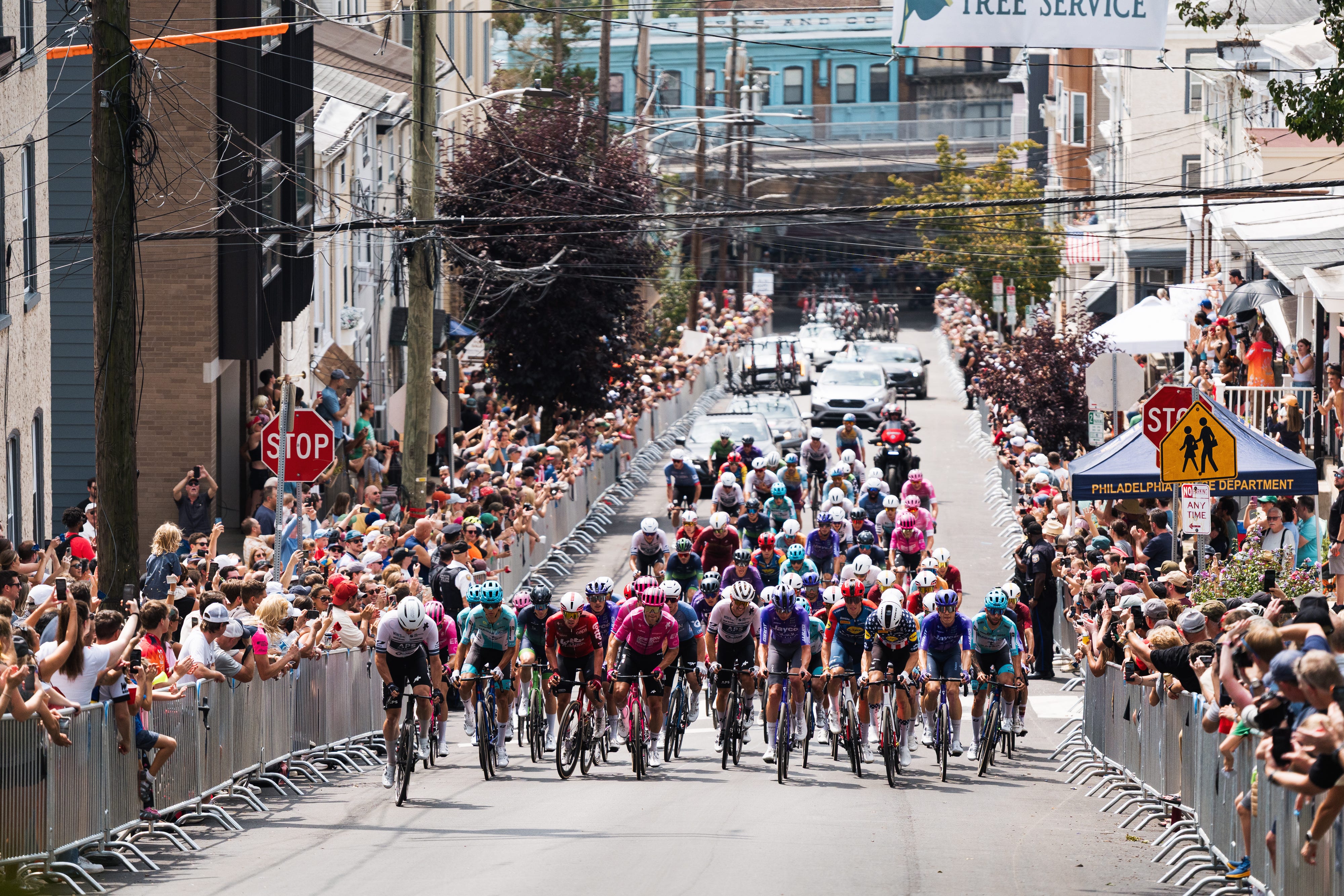
The Philly Classic was last raced in 2016; Barack Obama was in the closing months of his Presidency. It was a very different America, and a very different American race scene. One that included the Tour of California, Tour of Utah, Colorado Classic, the Road World Championships in Richmond. Since then, it has been a sorry state for America. All of its big pro races, gone.
The gravel scene has offered financial opportunity for US-based pros, but gravel has never managed to figure out appealing to spectators.
Appealing to spectators is exactly what the Philly Classic did so well. It’s a worthy reminder that circuit racing works so well. The 23km circuit had two key features: Lemon Hill and ‘The Wall ’, both places where fans could spend the day and feel a part of the race.
One spectator I spoke to who was on ‘The Wall’ said, “The atmosphere was electric; I loved it. People into cycling, people not into cycling, lots of people just celebrating. It was cool to see how everyone got behind every rider, celebrating the guy last as much as the guys at the front. It felt like a grown-up, World Tour version of Tulsa Tough”

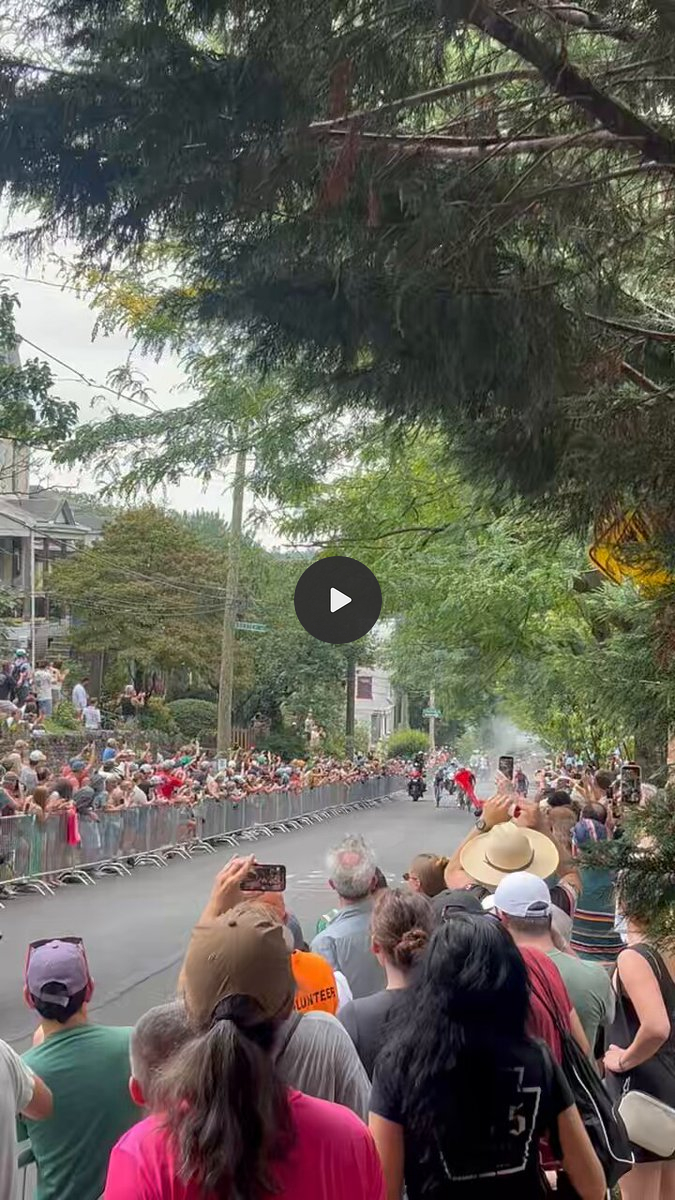
Bike races need roads to close, and naturally that brings disruption. Getting the community to tolerate the event is one of the biggest barriers it faces. Philadelphia didn’t just tolerate the race; it embraced it:
“It felt like the whole city was around it, like their basketball team was in the finals,” Andy Lydic, an American pro who competed, said. “Every restaurant, every gas station, every cafe I went into. Everyone knew about it and was so excited for it to be back. Philly is a big sports city, and it was like cycling was their new adopted sport”
Another rider’s take was simpler: “Electric. It was unreal.”
Ten years is long enough for a whole generation not to know about the race. Families who’d never watched a bike race in their lives were bringing their kids down because professional sport was happening on the roads they usually use to drive to school and work. The US isn’t a country where professional sports come to your doorstep free of charge.
The videos from the fans on course say a thousand words. The atmosphere was incredible. It makes you want to step inside your phone and witness it firsthand. I had serious FOMO. I wanted to be on both sides of the barriers: racing it in person and experiencing the crowds, but drinking beers on the side of the road, being a part of the noise.


What’s next?
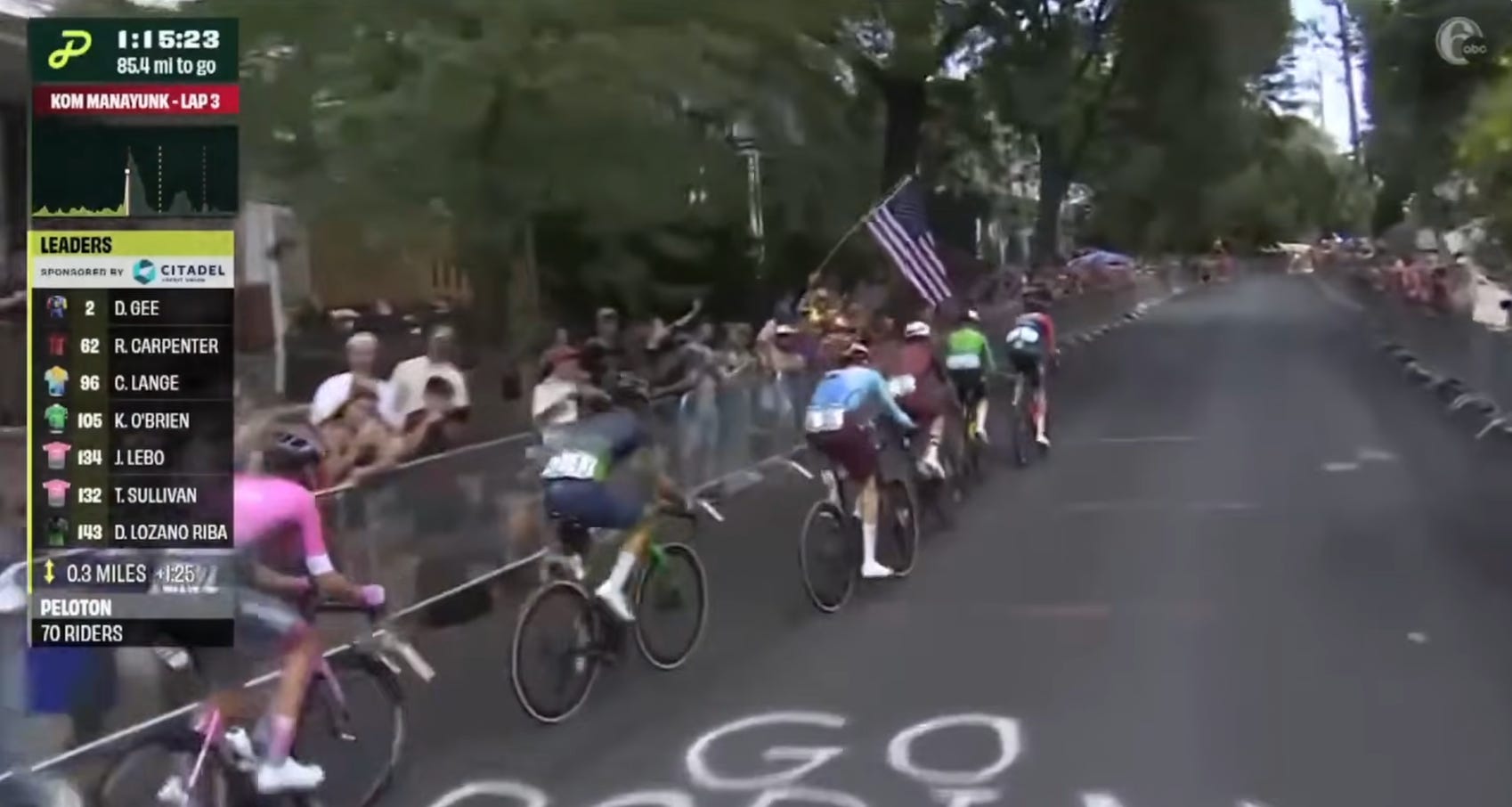
The livestream was provided for free on YouTube, which meant it was easy to watch - one of cycling’s biggest problems since the demise of GCN+. The infographics on the left of the screen were nothing special for pro sport, but a step forward from what we usually have in cycling. For a hardcore cycling fan, the commentary team wasn’t the best, but I’ll let that slide.
With my bike racing brain on, the Philly Classic should rise to a .PRO race, crucially not a World Tour race. In doing so, it would allow US-based Continental teams to continue racing while also attracting a deeper start list. It should also move one week further back in the calendar to be closer to GP Quebec and Montreal. In this scenario, European teams could race two .WT and one .PRO race within eight days. Logistically, this is easy too. Philadelphia is only an 8hr drive, or a 90-minute flight to Montreal.
The Philly Classic has proven that there is interest in bike racing. The course doesn’t have to be crazy; it has to be convenient. For bike racing to be successful in the US, it must be brought to the people. We can’t expect people to travel to it.
Philadelphia did have an unfair head start. It’s easier to revive a race that was already popular in the community than start from afresh. But the videos from fans on the course show that it was a success. For a bike race to be a success, it doesn’t have to only appeal to cycling fans; heck, it shouldn’t only appeal to cycling fans. It needs to be an event that any casual spectator can enjoy.
Where could it be next? San Francisco could build something incredible around Hawk Hill, but I doubt the city would ever sign off on it. Texas has already proven its appetite with the Breakfast Club’s rapid growth. Bend, or Portland in Oregon, feel like obvious choices.
Whichever city it is, it needs the perfect storm. A local government willing to invest in making the event happen, to remove the bureaucratic barriers. A circuit that lends itself to spectators and exciting racing, and a high enough UCI level to pull some WorldTour teams to the start line.


North American cycling fans have been let down in the 2020s. I’ve lost track of how many times I’ve sat in cycling industry meetings and been told that American road racing is dead. I’ve lost track of how many times I’ve been told that people don’t care about road racing in America. The races died. The publications stopped covering the US scene. They told me nobody cared. That their data showed trends were going to gravel, and gravel only.
They were wrong. The data is wrong. The industry let itself down. I’ve seen it with my own eyes. I’ve travelled across the States to towns big and small. I’ve attended group rides and races of all levels. Every time I write about my experience of racing, or my adventures on the American scene, people would read it, comment, and feel a part of it.
The American fanbase was always there, but the industry gave up on them. They mistook the collapse of the biggest American road races for the collapse of American interest in road racing.
The people showed up this weekend. The sleeping giant is awakening. Now it’s on the sport of cycling to make sure it’s not just Philadelphia that gets to enjoy it.
Thanks to Alec Levy-O’Brien for reading the early draft. To Andy Lydic, Liam Flanagan, Maggie Coles-Lyster and Brad Shenton for the insight. And to Luis Bastardo for the photos.
While you’re here…
I’ve added a paid subscription and a ‘Buy Me A Coffee’ link to this post. This allows me to write articles that don’t necessarily fit in at one of the normal outlets. Thanks for your support.
https://www.buymeacoffee.com/joelaverick
The following brands are either financial or equipment partners of mine and allow me to do cool stuff.
Great post Joe, and this aligns with everyone I spoke to. That included media, fans, riders and staff. Everyone was super positive on the event. Next year they'll need to work around UCI Super Worlds in France, so it may be a week earlier.
Hi Joe. Great piece. On the calendar point you made, the slot you’re thinking of was supposed to be taken up by the Maryland Cycling Classic, which took place last year, but not this year, due to organizational difficulties. If the MCC had taken place, it would have made for a great four week block of racing leading up to Worlds.